• Privacy Policy
  • Editorial Policy
  • Advertise with us
  • Contact us
Thursday, June 25, 2026
Glasgow Report
  • Home
  • World
  • News
  • Politics
  • Business
  • Sports
  • Technology
  • Entertainment
  • Health
  • Lifestyle
  • Science
  • Travel
No Result
View All Result
Glasgow Report
No Result
View All Result

Researchers put the UK’s pothole problem on the road to recovery

by Glasgow Report
in Science


Taking inspiration from nature, scientists have tracked down a road surface material that repairs itself

Potholes. They’re the scourge of motorists and a potentially lethal hazard to cyclists, but a new ‘self-healing’ road surface could consign them to the dustbin of history.

An international team of scientists from King’s College London (KCL) and Swansea University teamed up with colleagues in Chile to develop an asphalt that mends its own cracks. It was unveiled in February.

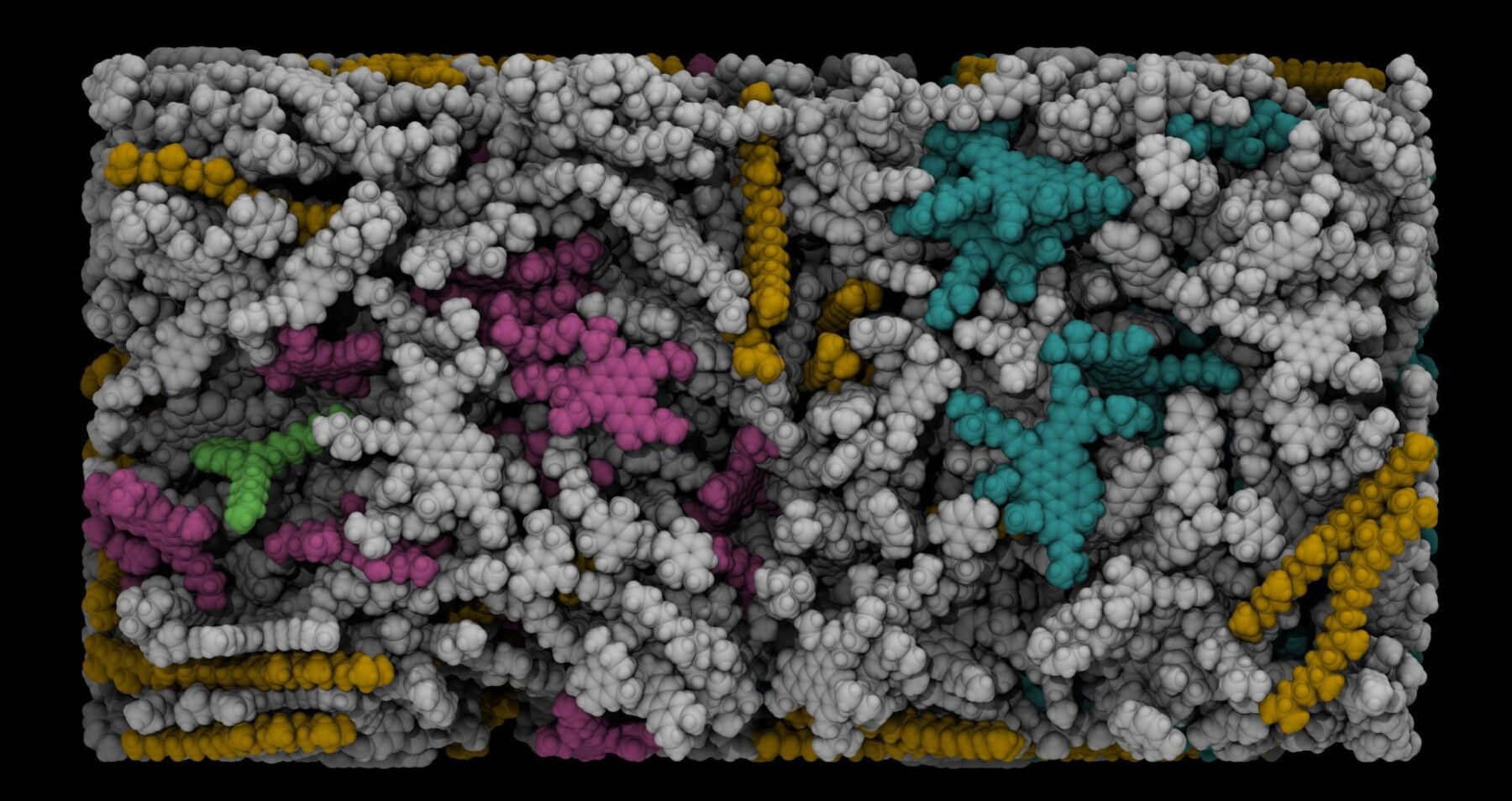
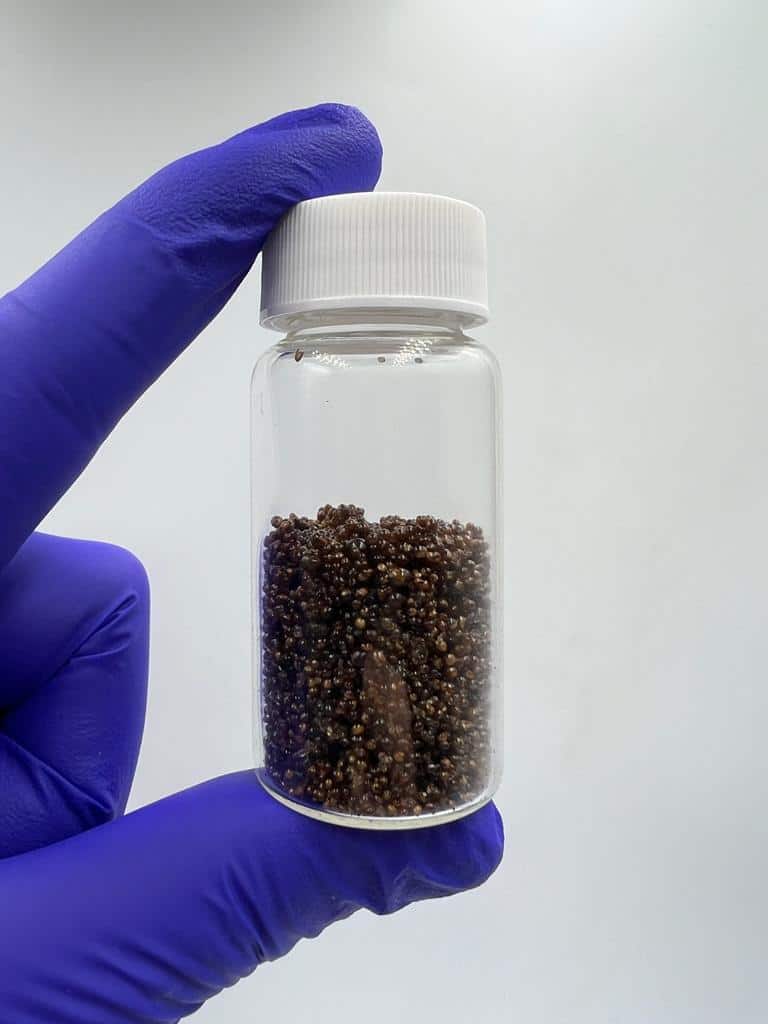
The asphalt contains plant-based spores that are packed with recycled oils. When the road is compressed, the oils seep out, softening the bitumen to seal fractures.

The discovery is timely: the Asphalt Industry Alliance (AIA) has just announced that almost 35,000 miles worth of roads in England and Wales will need re-surfacing over the next five years.

Factors behind the damage include rain and cold temperatures, heavy traffic and shoddy road construction. According to the AA, one in three drivers has experienced damage to their vehicles due to potholes. The average garage bill is £144, according to repair company Kwik Fit. And potholes aren’t only expensive for drivers: they pose a real danger to cyclists and motorcyclists.

As well as providing a salve for England and Wales’ £143-million pothole headache, the invention could pave the way for more sustainable road-building.

“We want to mimic the healing properties observed in nature,” said KCL’s Dr Franciso Martin-Martinez. “For example, when a tree or animal is cut, their wounds naturally heal over time, using their own biology.

“Creating asphalt that can heal itself will increase the durability of roads and reduce the need for people to fill in potholes.”

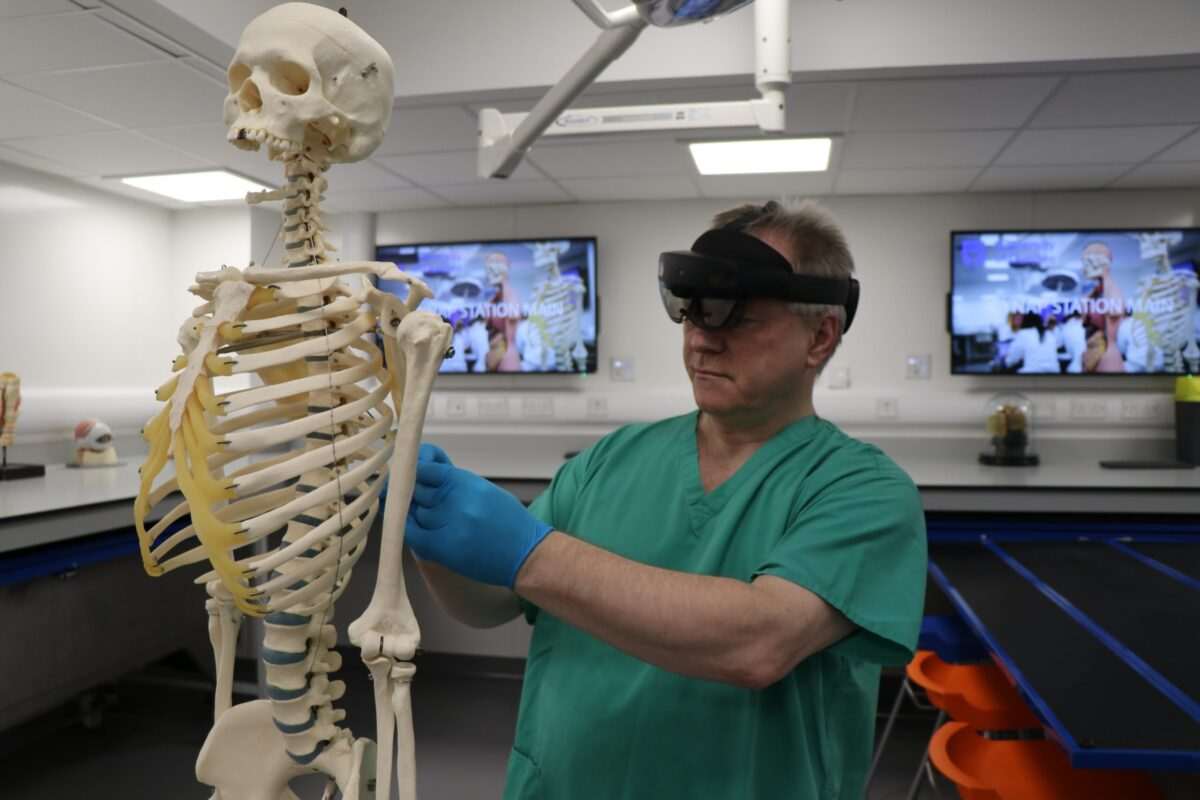
Main image: Dr Jose Norambuena-Contreras, of Swansea University, with some of the self-healing asphalt

Images: Swansea University and King’s College London

Be part of the solution

Positive News is helping more people than ever to get a balanced and uplifting view of the world. While doom and gloom dominates other news outlets, our solutions journalism exists to support your wellbeing and empower you to make a difference towards a better future.

But our reporting has a cost and, as an independent, not-for-profit media organisation, we rely on the financial backing of our readers. If you value what we do and can afford to, please get behind our team with a regular or one-off contribution.

Give once from just £1, or join 1,500+ others who contribute an average of £3 or more per month. You’ll be directly funding the production and sharing of our stories – helping our solutions journalism to benefit many more people.

Join our community today, and together, we’ll change the news for good.

Support Positive News


Source link

Previous Post

New street to be made off Jeffrey Street in Old Town, which could be named after a Scottish Queen 

Next Post

First AR software for epidurals developed by Dundee researchers

Related Posts

Arctic hits chemical 'tipping point' as ice loss wipes out key food chain nutrient

Arctic hits chemical ‘tipping point’ as ice loss wipes out key food chain nutrient

by Glasgow Report
May 28, 2026
0

THE Arctic Ocean has undergone an irreversible chemical shift that is dismantling its food chain from the bottom up, new...

Scots researchers win award for tool to "transform heart failure”

Scots researchers win award for tool to “transform heart failure”

by Glasgow Report
May 21, 2026
0

A UNIVERSITY of Dundee project using artificial intelligence to identify heart failure patients who may be on outdated medication has won a...

AI fingerprints can be removed from deepfakes, study finds

AI fingerprints can be removed from deepfakes, study finds

by Glasgow Report
May 14, 2026
0

DEEPFAKE images can be easily manipulated to remove “AI fingerprints”, making it difficult to conclude if an image has been...

Next Post
First AR software for epidurals developed by Dundee researchers

First AR software for epidurals developed by Dundee researchers

  • Trending
  • Comments
  • Latest

Hindenburg Report on Adani Places Mr. Modi in Dilemma

February 10, 2023
Pandora’s Cube: A Mysterious Sum and a Sum of Mysteries

Pandora’s Cube: A Mysterious Sum and a Sum of Mysteries

May 19, 2023
A Brief on Kant’s Knowledge and Duty Reflections for “Glasgow Report”

A Brief on Kant’s Knowledge and Duty: Reflections for “Glasgow Report”

July 19, 2023
Dashcam footage shows impatient motorist yelling at driver in car park

Dashcam footage shows impatient motorist yelling at driver in car park

0
Social media users horrified by video of midges swarming hillwalker

Social media users horrified by video of midges swarming hillwalker

0
Scot horrified after finding poo-covered toilet brush in holiday apartment

Scot horrified after finding poo-covered toilet brush in holiday apartment

0
who decides where the money goes?

who decides where the money goes?

June 24, 2026

Prime Day Arrives: Laifen Offers Discounts on Swift Special and Neo High-Speed Hair Dryers

June 23, 2026

Gerard Quinlan Announces New Poetry Collection Exploring Dublin Life, Memory and Human Connection

June 19, 2026
Glasgow Report

Copyright © 2021 Glasgow Report.

Navigate Site

  • About
  • Advertise/Contribute
  • Privacy & Policy
  • Contact

Follow Us

No Result
View All Result
  • Home
  • News
  • Politics
  • Business
  • Entertainment
  • Sports
  • Technology
  • Lifestyle
  • Health
  • Travel
  • Science
  • Real Estate
  • Press Release

Copyright © 2021 Glasgow Report.