For fashion designer Jelena Kulic, the relationship between fashion and art extends far beyond inspiration. It is the foundation upon which her work is built. Rather than viewing fashion as something separate from artistic practice, she approaches design as a continuation of it, transforming ideas drawn from history, architecture and visual culture into pieces that are meant not only to be seen, but experienced.
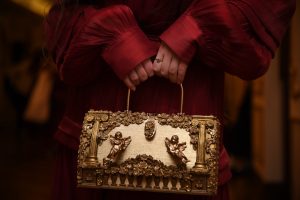
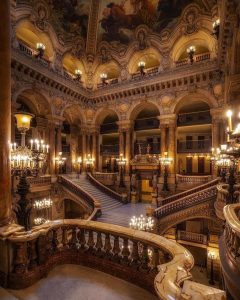
This philosophy became particularly evident in 2025 with the presentation of Evening at the Opera, her debut collection at Paris Fashion Week. Inspired by the grandeur of the Opéra Garnier and the atmosphere of Gaston Leroux’s The Phantom of the Opera, the collection translated architectural details, historical references and storytelling into a series of handcrafted handbags. Each piece functioned as both an accessory and an artwork, embodying the idea that art need not remain static within the confines of a gallery or canvas.
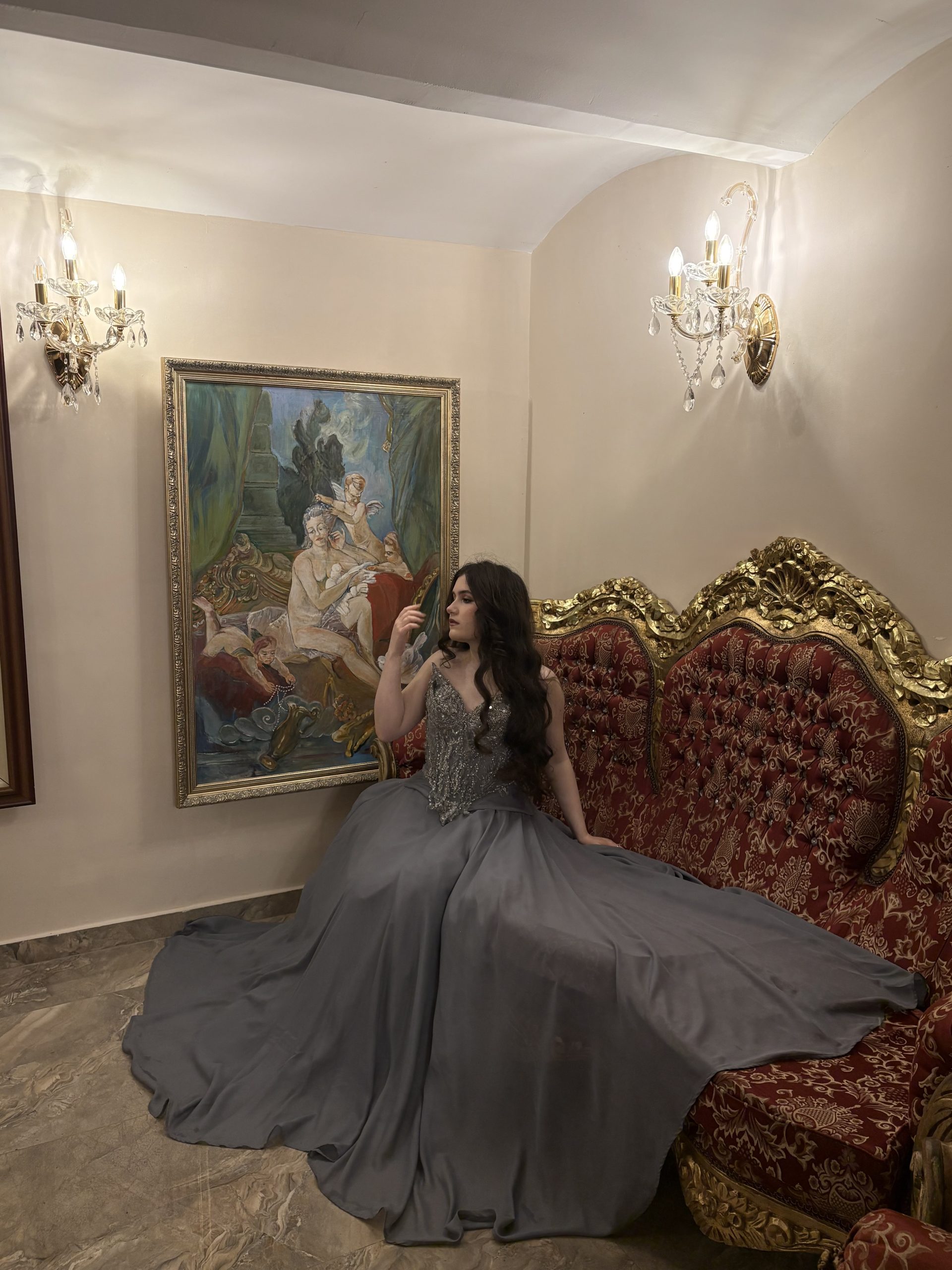
The creative dialogue between art and fashion did not end in Paris. It continued through a debutante gown created and worn by Kulic at her graduation ball, where she unveiled her first couture garment. Entirely hand embroidered and crafted as a one-of-a-kind piece, the gown reflected the creative philosophy that has become central to her work: the belief that fashion can act as a meeting point between art, craftsmanship and personal expression.
Although distinct from the inspirations behind Evening at the Opera, the gown was guided by the same desire to transform artistic ideas into something tangible and wearable. Through meticulous handwork and an emphasis on individuality, the piece explored fashion as more than clothing, positioning it instead as a form of artistic storytelling. Its presentation also marked an important milestone, offering a glimpse into how Kulic’s creative practice may evolve beyond accessories and further into couture and garment design.
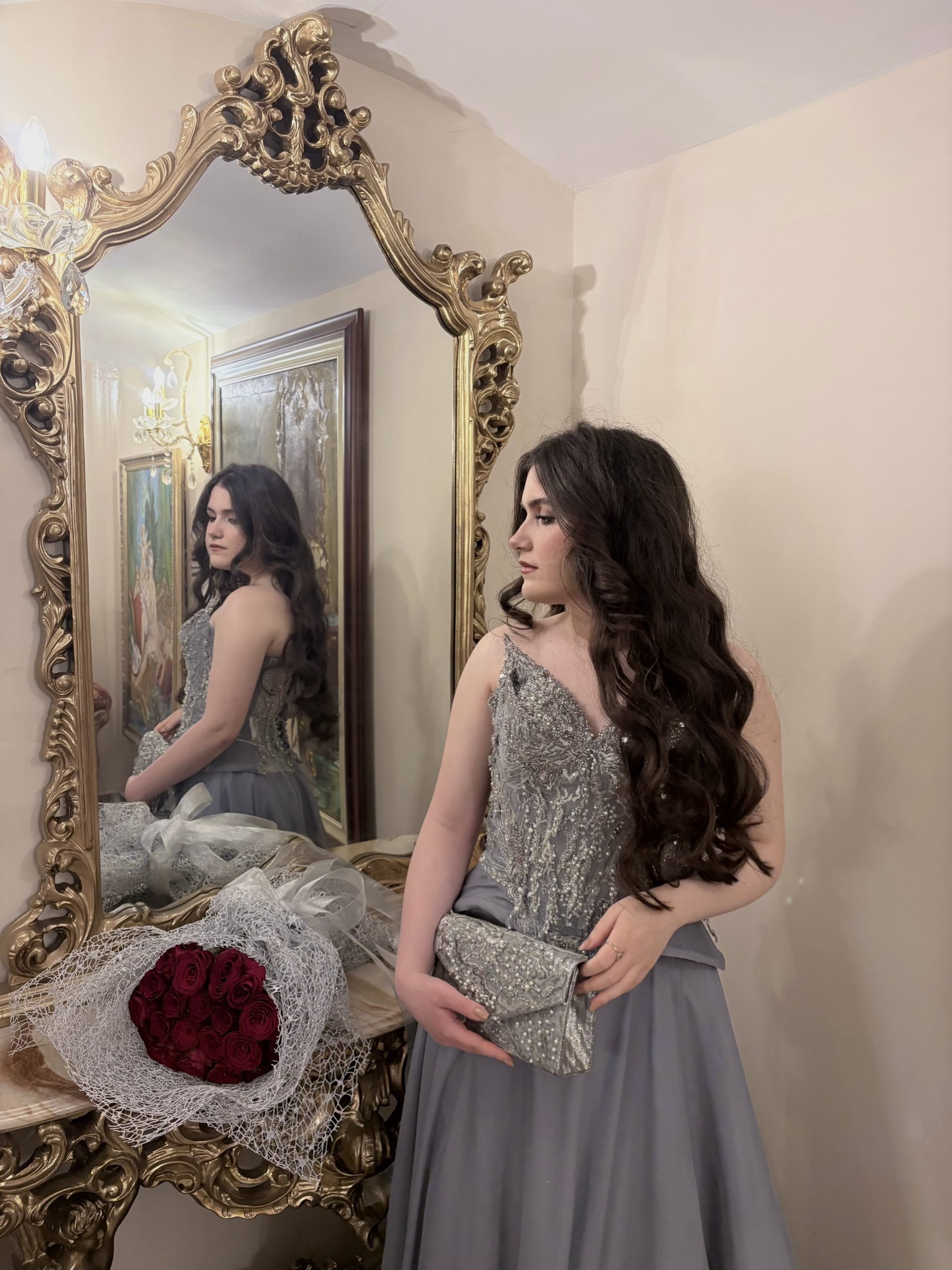
Rather than treating garments and accessories as separate disciplines, both projects were developed through the same creative lens. Historical references, craftsmanship and visual storytelling were not used merely as decorative elements, but as tools for creating pieces with narrative depth and emotional resonance. In doing so, static sources of inspiration were transformed into designs that acquire new meaning through movement and wear.
Together, these works offer a glimpse into the direction of Kulic’s evolving practice. While her Paris Fashion Week debut introduced this vision through accessories, the graduation gown suggested how the same approach could naturally expand into future couture and ready-to-wear collections.
At the centre of both remains a consistent idea: that fashion can function as a medium through which art continues to live, move and tell stories long after its original inspiration was created. For Kulic, design is not simply about creating objects to be worn. It is about preserving emotion, imagination and craftsmanship in a form that exists somewhere between artwork and fashion, allowing each piece to become part of an ongoing narrative carried by the person who wears it.
From the runways of Paris to the premiere of a hand embroidered couture gown at her graduation ball, Kulic’s work continues to explore the space where artistic expression and fashion meet, creating pieces that are intended not only to be worn, but remembered.
https://www.instagram.com/anellejbyjelenakulic?igsh=MThzaHNnOHNnaXQzNg