ACCIDENTAL deaths in Scotland have risen by 61% over the last decade, now exceeding 2,500 fatalities each year which is the highest death rate of all the UK nations.
Safety charity the Royal Society for the Prevention of Accidents (RoSPA) has warned that Scotland is experiencing a severe and worsening accidental death crisis.
The RoSPA is now calling on the next Scottish Government to prioritise accident prevention as an urgent public health and economic issue.
The charity’s new published action plan Towards a Safer Scotland manifesto sets out evidence-led measures to reduce deaths and serious injuries across roads, homes, workplaces, and water environments, urging ministers and candidates to treat accidental harm with the same seriousness as other major health threats.

Accidents now claim more than 2,500 lives annually in Scotland, with the nation recording an accidental death rate 56% higher than the UK average.
Rebecca Hickman, CEO, said: “Scotland is facing a silent epidemic of accidental deaths, and the scale of harm is now impossible to ignore.
“Every statistic represents a person whose life could have been saved with proven interventions.
“We are urging the next Scottish Government to make accident prevention a national priority, because the evidence shows that coordinated action will save lives, protect communities and relieve pressure on the NHS.”
Falls are the leading cause, while transport-related fatalities and drowning incidents remain significantly above UK-wide levels.
The impact extends beyond personal tragedy: accidents cost the NHS billions each year and remove thousands from the workforce.

People in deprived communities are also more likely to suffer an accident, compounding other health inequalities.
Rebecca added that “accidents are not inevitable” and by following the RoSPA’s proposals will give policymakers the tools they need to act “quickly and effectively”.
She continued that “with clear national leadership and consistent standards across Scotland, we can significantly reduce preventable harm.”
RoSPA is proposing a series of targeted interventions including safer home design standards, mandatory driver eyesight testing, strengthened motorcycle safety provision, and mandatory water safety education in schools.
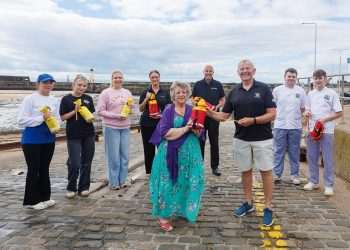
Drawing on the charity’s experience working in partnership with the Scottish Government on projects such as the Scottish Occupational Road Safety Alliance (ScORSA) and Water Safety Scotland, the charity believes that these measures could prevent avoidable deaths while easing pressure on Scotland’s public services.
The RoSPA calls for three priority actions to reduce road deaths and serious injuries:
- Empower local authorities to set safe speed limits, including wider use of 20mph zones where appropriate to protect pedestrians, cyclists and communities.
- Introduce mandatory eyesight testing for all drivers every three years, addressing declining vision as a major but under-recognised collision risk.
- Continue dedicated motorcycle?safety funding, supporting advanced rider training and targeted safety campaigns due to Scotland’s disproportionately high motorcyclist fatality rates.
To tackle Scotland’s high rate of home-based injuries and deaths, the manifesto recommends:
- Establish permanent national home-safety programmes, including home?risk assessments, safety advice and provision of essential equipment for vulnerable households.
- Mandate Safer by Design standards, including embedding BS 5395-1 stair-safety principles into Scottish building regulations for all new homes.
- Re-establish Home Safety Scotland to provide national leadership and coordinate preventative work across partners.
The RoSPA is also urging the adoption of three key measures to improve water safety and reduce the number of drowning fatalities:
- Endorse and support the next Scotland Drowning Prevention Strategy (from 2026) to sustain national progress.
- Make classroom water-safety education mandatory using Water Safety Scotland and Education Scotland resources.
- Mandate Drowning and Incident Reviews (DIR), ensuring all relevant agencies participate in consistent post-incident learning.
Additionally, to address changing work patterns, data gaps and emerging hazards, RoSPA calls for:
- A comprehensive study into the gig economy, examining scale, conditions and fair compensation for work?related risks.
- Development of Scotland-specific transferable health and safety qualifications to maintain skills as workers move between sectors.
- Improved data-sharing between Police Scotland and the Health and Safety Executive, via a formal Memorandum of Understanding for clearer referral criteria and timely evidence-sharing.